Find full-service remodeling solutions
Your Trusted General Contractor for Excellent Home Improvements
A trusted general contractor fulfills a essential role in home improvements. Their knowledge guarantees projects are finished with accuracy and care. By focusing on quality materials and workmanship, they improve both visual appeal and value. Transparent communication and careful planning are essential for a smooth process. However, many homeowners overlook key factors when choosing a builder. Understanding what to focus on can make all the difference in reaching a quality remodel. What should property owners evaluate first?
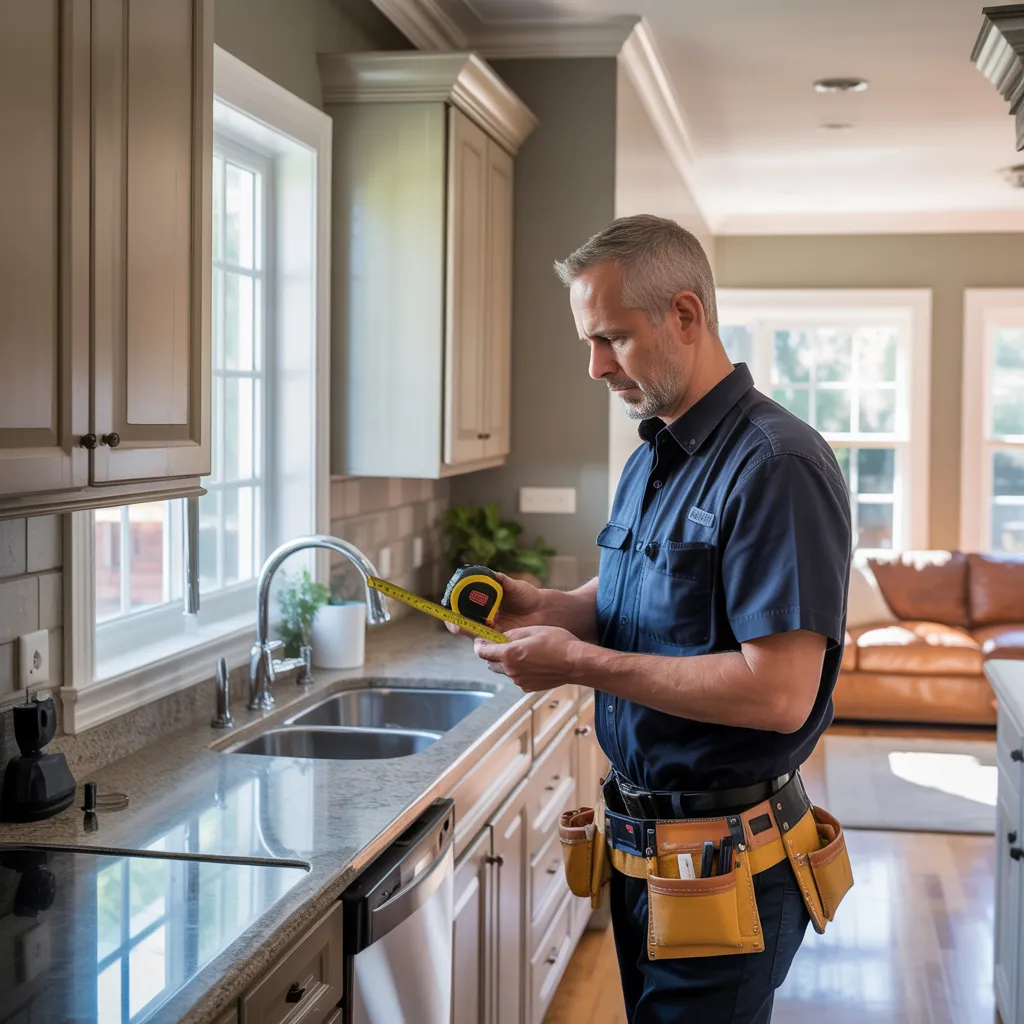
Important Factors to Consider When Choosing a Dependable General Contractor
When beginning a home remodeling undertaking, how can one confirm they select a reputable general contractor? First, people should seek endorsements from friends, family, or digital reviews to discover potential candidates. It is essential to verify credentials, featuring certifications and insurance, ensuring the contractor meets local regulations. Next, reviewing completed projects through work samples or testimonials offers knowledge into the builder's craftsmanship and reliability.
Furthermore, getting multiple estimates can assist in determining fair costs and project schedules. Communication skills are also essential; a contractor should be accessible and attentive to inquiries. Additionally, a solid contract detailing project scope, timelines, and payment terms protects both sides. Ultimately, trust instincts; if a builder appears unprofessional or unclear, it may indicate future issues. By adhering to these recommendations, property owners can greatly increase their odds of selecting a reliable general contractor, leading to prosperous home improvement undertakings.
Why a Local General Contractor Is Your Ideal Option
Choosing a local general contractor can significantly improve the success of home improvement projects. Area builders possess invaluable knowledge of the area, including construction standards, regulations, and zoning laws, ensuring adherence and productivity. Their strong connections with vendors and subcontractors can lead to better pricing and timely access to materials and skilled labor.
Moreover, local professionals often have a credibility to defend within the community, driving them to deliver high-quality work. This obligation to standards generates reliance and confidence among dwelling owners.
Furthermore, being nearby makes possible more straightforward communication and swift response times, which are important during a project. Homeowners may also request referrals from community members or friends who have hired the contractor before, offering peace of mind. Overall, hiring a local general contractor does not just support the community but also enhances the overall quality and experience of home improvement tasks.
Step-by-Step Roadmap to Your Residential Enhancement Journey
Undertaking a domestic renovation project requires deliberate preparation and skilled execution. Setting a project timeline is paramount to make certain that duties are fulfilled promptly, while procuring quality products can markedly determine the project's outcome. This guide will outline these fundamental procedures to enable homeowners navigate their renovation undertaking triumphantly.
Map Out Your Project Deadlines
A well-structured renovation schedule is essential for successful residential upgrades, guaranteeing that every phase is completed efficiently. To start, homeowners should establish the project's scope, detailing particular objectives and expected results. Subsequently, they should meet with their general contractor to create a practical timeframe based on the project's complexity and necessary work. Breaking the project into manageable sections allows for improved monitoring and adjustments as needed. It is also important to consider possible setbacks, such as environmental factors or supply chain issues, which may affect the schedule. Frequent consultations with the contractor can ensure the project progressing smoothly. In the end, a clear timeline fosters dialogue and sets expectations, leading to a smoother residential renovation process.
Selecting High-Quality Supplies
choosing quality materials considerably shapes the result of domestic enhancement works. To begin, house owners must establish the exact necessities of their project, taking into account elements including durability, visual appeal, and budget. researching assorted product options is crucial; this encompasses learning about the strengths and weaknesses of each selection. Connecting with professionals can provide worthwhile perspective into reliable makers and suppliers.
Next, homeowners should ask for samples to evaluate the look and feel of materials firsthand. Shopping around for prices across different suppliers can help ensure competitive pricing without compromising quality. Finally, verifying that materials comply with local building codes is essential for protection and adherence to standards. By carefully choosing materials, property owners can improve both the durability and aesthetic value of their upgrades, ultimately increasing the worth to their property.
Display Your Vision Like a Professional
Successful home improvements often rely on the ability to communicate a clear concept. Homeowners should express their thoughts, tastes, and requirements, ensuring that they convey their wishes effectively to their general contractor. A well-defined vision not only helps in aligning the contractor's plans with the homeowner's goals but also simplifies the selection process.
Sketches or mood boards, as visual aids, can significantly improve communication. They supply a physical example that showcases style, color schemes, and layout preferences. Additionally, engaging in open dialogue promotes teamwork, allowing the contractor to ask clarifying questions and provide insights.
Setting achievable schedules and budgets is just as vital. Homeowners should be ready to address constraints in an open way to prevent misunderstandings later. At the end of the day, expressing a objective with clarity and confidence empowers both parties, creating the groundwork for successful project delivery and satisfying outcomes in home renovation undertakings.
The Importance of Quality Components and Craftsmanship
For home improvements, the selection of durable materials markedly affects the endurance and functionality of a assignment. Comparably significant is the role of skilled craftsmanship, which guarantees that these materials are utilized effectively. Together, high-quality materials and skilled labor establish results that stand the test of time.
Long-lasting Material Selection
A carefully chosen collection of robust materials can greatly determine the longevity and aesthetics of home improvements. Excellent materials not only amplify the allure of a space but also assure that renovations withstand the test of time. Homeowners should prioritize materials with proven durability, such as hardwood, stone, and high-grade metals, which withstand wear and tear and environmental damage. In addition, selecting materials suited the local climate can prevent issues like rot or corrosion. Investing in tough options may call for a higher upfront cost, but the long-term benefits—fewer repairs and replacements—make it a wise choice. Ultimately, the right materials enhance a home's value and overall satisfaction for years to come.
Accomplished Craftsmanship: How It Matters
Quality artistry functions as an critical factor in the achievement of home enhancements, bolstering the acquisition of dependable materials. Accomplished artisans assure that every element of a project is rendered with precision, strengthening both utility and aesthetic character. Thorough attention in construction, from framing to finishing touches, markedly adds to the durability and performance of home features. Quality execution not only demonstrates a devotion to excellence but also shields against future complications, such as structural defects or aesthetic imperfections. Additionally, veteran contractors perceive discover now the subtleties of various materials, making sure they are implemented proficiently. Ultimately, allocating resources to skilled execution results in a more enjoyable and lasting outcome, boosting the overall value of the home and the homeowner's experience.
Frequent Renovation Problems and Methods to Circumvent Them
Many homeowners face obstacles during remodeling that can lead to costly delays and dissatisfaction. One common mistake is underestimating the financial allocation. Without a detailed financial plan, unexpected expenses can quickly emerge, compromising the project. Additionally, failing to secure necessary permits can result in fines and project halts, complicating the remodeling effort.
Making quick choices by rushing the process of making decisions is a frequent error. Quick decisions concerning layout and design can lead to regrets later on. Homeowners commonly overlook the importance of hiring experienced professionals, which can compromise the quality of work and safety requirements.
Lastly, ineffective communication with contractors can create misunderstandings and unfulfilled expectations. To bypass these pitfalls, homeowners should concentrate on thorough preparation, secure the necessary permits, hire proficient professionals, and maintain open lines of communication throughout the renovation process. By managing these typical mistakes, homeowners can guarantee a smoother and more satisfying remodeling outcome.
How to Choose the Appropriate Materials for Your Upgrade?
What strategies can property owners use to guarantee they select the right materials for their home improvement work? First, they should assess the specific needs of the space, considering factors such as performance, design, and resilience. Studying various materials is vital; homeowners should contrast options founded on their compatibility for the expected application and local climate conditions.
Consulting with a reliable building professional can offer helpful guidance into selection options, ensuring that selections align with both financial constraints and aesthetic objectives. Additionally, homeowners should prioritize sustainability by investigating sustainable options that minimize environmental impact.
In conclusion, evaluating samples can help with informed decisions, allowing homeowners to envision how materials will feel and appear in their location. By following these guidelines, homeowners can securely choose materials that enhance their renovation while ensuring quality and longevity.
Popular Questions Posed Often
How Should I Validate a Contractor's Qualifications and Policies?
To verify a contractor's credentials and coverage, one can check state regulatory agencies and coverage companies. Additionally, obtaining documentation of licenses and insurance straight from the contractor ensures legitimacy and adherence to legal requirements.
How Long Does the Typical Timeframe for Household Upgrade Initiatives Extend?
The expected timeline for residential renovation work varies, often lasting from a few weeks to several months, determined by project complexity, magnitude, and required permits. Maintaining dialogue with the professional can help you develop a more reliable schedule.
Is It Possible to Stay in My Home During Remodeling?
Yes, individuals can live in a home during remodeling efforts, though it frequently copyrights on the scope of the project. Smaller renovations may enable sustained occupancy, while major work might require temporary moving for well-being and comfort.
Which Payment Solutions Do Tradespeople Typically Accept?
Contractors regularly process a broad range of payment methods, including cash, checks, credit cards, and digital payment platforms. Some may also make available financing options, granting clients flexibility in regulating renovation costs and payment schedules.
What Steps Should I Follow to Manage Disputes With My Contractor?
To handle contractor conflicts, one should communicate clearly, record every communication, and pursue settlement via discussion. If unresolved, mediation or legal action may be required to protect one's interests successfully.